Malware analysis tools are indispensable weapons in the cybersecurity arsenal, empowering us to dissect and neutralize malicious software threats. These tools provide invaluable insights into malware behavior, enabling us to respond swiftly to incidents, gather crucial threat intelligence, and identify vulnerabilities in our systems.
In this comprehensive guide, we will delve into the world of malware analysis tools, exploring their types, use cases, best practices, and future advancements. Whether you’re a seasoned cybersecurity professional or just starting your journey, this guide will equip you with the knowledge and understanding you need to effectively combat malware threats.
Overview of Malware Analysis Tools

Malware analysis tools are designed to help cybersecurity professionals detect, analyze, and neutralize malicious software (malware). These tools provide a range of capabilities, including the ability to:
- Identify and classify malware based on its behavior, characteristics, and code patterns.
- Extract and analyze malicious code to understand its functionality and potential impact.
- Detect and block malware infections in real-time or during forensic investigations.
- Generate reports and provide actionable insights to support incident response and threat hunting efforts.
Types of Malware Analysis Tools
There are various types of malware analysis tools available, each with its own strengths and use cases. Some common types include:
Static Analysis Tools
These tools analyze malware without executing it, examining its code and structure to identify malicious patterns and vulnerabilities.
Dynamic Analysis Tools
These tools execute malware in a controlled environment, allowing analysts to observe its behavior and interactions with the system.
Behavioral Analysis Tools
These tools monitor and analyze the behavior of malware during execution, identifying suspicious activities and potential threats.
Network Analysis Tools
These tools capture and analyze network traffic generated by malware, helping to identify communication patterns and potential command-and-control servers.
Memory Forensics Tools
These tools analyze the memory of infected systems to identify malware processes, artifacts, and other evidence of malicious activity.
Benefits of Using Malware Analysis Tools
Using malware analysis tools offers several benefits to cybersecurity professionals:
Improved Detection and Response
These tools enable analysts to quickly identify and respond to malware infections, reducing the risk of data breaches and other security incidents.
Malware analysis tools are essential for protecting your systems from malicious software. If you’re interested in learning more about these tools, check out end of arm tooling to gain insights into the different types of malware analysis tools available and how to use them effectively.
With the right malware analysis tools, you can keep your systems safe from even the most sophisticated threats.
Enhanced Threat Intelligence
Malware analysis tools provide valuable insights into the latest malware threats, their behavior, and potential impact, helping organizations stay informed and proactive in their defense strategies.
Automated Analysis and Reporting
Many malware analysis tools offer automated features that streamline the analysis process, saving time and reducing the workload for analysts.
Collaboration and Information Sharing
These tools facilitate collaboration between analysts and organizations, enabling them to share threat intelligence and best practices to combat evolving malware threats.
Types of Malware Analysis Tools

Malware analysis tools are broadly classified into three main categories based on their approach to analyzing malicious software: static analysis, dynamic analysis, and hybrid analysis. Each type has its own unique advantages and disadvantages, making it suitable for different stages and purposes of malware analysis.
Static Analysis Tools
Static analysis tools examine the code or structure of malware without executing it. They perform analysis on the malware’s binary code, assembly code, or source code to identify potential malicious behavior or vulnerabilities. Static analysis tools are often used as a first step in malware analysis, as they can quickly identify common malware patterns and provide an initial assessment of the threat.
| Tool | Features |
|---|---|
| IDA Pro | Disassembler, debugger, hex editor, scripting support |
| Ghidra | Open-source, multi-platform, modular framework |
| Radare2 | Command-line tool, scriptable, supports multiple architectures |
| Cuckoo Sandbox | Integrated static and dynamic analysis, automated report generation |
| VirusTotal | Online service, analyzes files using multiple static analysis engines |
Static analysis tools use various methods to analyze malware, including:
- Disassembly: Breaking down the malware’s binary code into assembly instructions.
- Code analysis: Examining the assembly instructions to identify suspicious patterns or known malicious code.
- Signature matching: Comparing the malware’s code or structure to known malware signatures.
- Heuristic analysis: Using rules or algorithms to detect potential malicious behavior based on observed patterns.
Advantages of Static Analysis Tools:
- Fast and efficient
- Can analyze malware without executing it, reducing the risk of infection
- Useful for identifying known malware and common attack patterns
Disadvantages of Static Analysis Tools:
- Can miss malware that uses sophisticated techniques to evade detection
- Cannot detect malware that relies on dynamic behavior
- May produce false positives, especially with heuristic analysis
Use Cases for Malware Analysis Tools
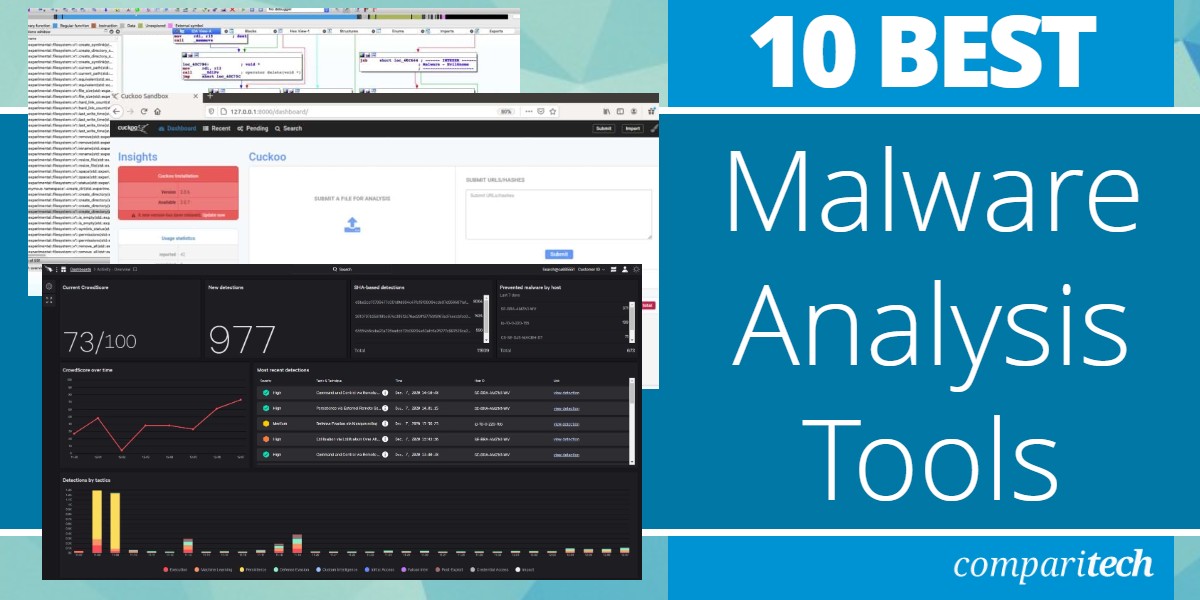
Malware analysis tools are essential for a variety of security tasks, including incident response, threat intelligence, and vulnerability research. In this section, we will discuss some of the specific use cases for malware analysis tools and provide examples of how they have been used in real-world scenarios.
Incident Response
Malware analysis tools can be used to investigate and respond to malware incidents. By analyzing the malware, security analysts can identify the type of malware, its purpose, and its potential impact. This information can then be used to develop a response plan and mitigate the damage caused by the malware.
For example, in 2017, the WannaCry ransomware attack infected over 200,000 computers worldwide. Security analysts used malware analysis tools to analyze the ransomware and develop a patch that could be used to protect computers from the attack.
Threat Intelligence
Malware analysis tools can be used to collect and analyze threat intelligence. By analyzing malware, security analysts can identify new threats, track the evolution of existing threats, and develop strategies to mitigate these threats.
Malware analysis tools can be a valuable asset in detecting and removing malicious software from your computer. One such tool is the farbar recovery scan tool , which is designed to scan your system for malware and other threats. It can also be used to repair damaged system files and restore your computer to a clean state.
Malware analysis tools are essential for protecting your computer from malicious software, so it’s important to have one installed and up-to-date.
For example, malware analysis tools can be used to identify new phishing campaigns, track the spread of botnets, and identify new vulnerabilities that could be exploited by attackers.
Vulnerability Research
Malware analysis tools can be used to identify and analyze software vulnerabilities. By analyzing malware, security researchers can identify the vulnerabilities that are being exploited by attackers and develop patches to fix these vulnerabilities.
For example, in 2018, security researchers used malware analysis tools to identify a vulnerability in the Apache Struts framework. This vulnerability allowed attackers to execute arbitrary code on vulnerable servers. The researchers developed a patch for the vulnerability and released it to the public.
Best Practices for Malware Analysis

Malware analysis is a critical task in protecting your systems and data from cyber threats. By following best practices, you can improve the accuracy and efficiency of your malware analysis efforts.
Establish a Secure Analysis Environment
To protect your system and data during malware analysis, it’s essential to establish a secure analysis environment. This involves:
- Using virtual machines (VMs) or sandboxing to isolate the malware from your primary system.
- Configuring the VM or sandbox with appropriate security settings, such as firewalls and intrusion detection systems.
- Using disposable VMs or sandboxes to prevent the malware from persisting on your system.
Use Multiple Analysis Tools
No single malware analysis tool can detect and analyze all types of malware. Using multiple tools increases the likelihood of detecting and understanding the malware’s behavior.Consider using a combination of:
- Static analysis tools to examine the malware’s code and structure.
- Dynamic analysis tools to observe the malware’s behavior in a controlled environment.
- Behavioral analysis tools to monitor the malware’s interactions with the system.
Document Your Analysis
Thorough documentation is crucial for sharing your findings and reproducing your analysis. Create a detailed report that includes:
- The malware sample and its source.
- The analysis tools and techniques used.
- The results of your analysis, including the malware’s behavior, impact, and potential mitigation strategies.
Future of Malware Analysis Tools
The future of malware analysis tools is bright, with many new and innovative technologies emerging. These technologies have the potential to make malware analysis more accurate, efficient, and scalable.
Artificial Intelligence and Machine Learning
Artificial intelligence (AI) and machine learning (ML) are two of the most important emerging technologies in malware analysis. AI and ML can be used to improve the accuracy and efficiency of malware analysis tools in a number of ways. For example, AI and ML can be used to:
- Automatically identify and classify malware
- Detect new and unknown malware
- Analyze malware behavior
- Predict malware attacks
Cloud-Based Malware Analysis
Cloud-based malware analysis tools are another important emerging technology. Cloud-based malware analysis tools offer a number of benefits over traditional on-premises malware analysis tools, including:
Scalability
Cloud-based malware analysis tools can be scaled up or down to meet the needs of any organization.
Automation
Cloud-based malware analysis tools can be automated to perform repetitive tasks, such as scanning files for malware and analyzing malware behavior.
Collaboration
Cloud-based malware analysis tools can be used to collaborate with other organizations to share malware information and analysis results.
Open Source Malware Analysis Tools
Open source malware analysis tools are an important part of the malware analysis ecosystem. Open source malware analysis tools are free to use and modify, which makes them a valuable resource for organizations of all sizes. There are a number of popular open source malware analysis tools available, including:
- Cuckoo Sandbox
- Volatility
- YARA
- ClamAV
FAQ Section
What are the different types of malware analysis tools?
Malware analysis tools can be categorized into three main types: static analysis tools, dynamic analysis tools, and hybrid analysis tools.
What are the benefits of using malware analysis tools?
Malware analysis tools provide numerous benefits, including the ability to identify and analyze malware, gather threat intelligence, and identify software vulnerabilities.
How can malware analysis tools be used in incident response?
Malware analysis tools play a crucial role in incident response, enabling security teams to investigate and respond to malware incidents effectively.
