Unveiling the fascinating world of dental tools and names, this guide embarks on an insightful journey, exploring the specialized instruments and materials that shape the art of dentistry.
From the delicate explorer to the powerful high-speed handpiece, each tool plays a crucial role in maintaining oral health. Join us as we delve into their functions, usage, and significance in the realm of dental care.
Dental Instruments

Dental instruments are specialized tools designed to perform various procedures in dentistry. These tools can be categorized based on their specific functions, including examination, diagnosis, treatment, and maintenance of oral health.
Diagnostic Instruments
- Dental mirror:A small, round mirror attached to a handle, used to visualize the oral cavity and examine teeth and gums.
- Explorer:A sharp, pointed instrument used to probe teeth and gums for caries, cracks, or other abnormalities.
- Periodontal probe:A thin, graduated instrument used to measure the depth of periodontal pockets and assess gum health.
- Transilluminator:A light source used to illuminate teeth and detect hidden caries or cracks.
Dental Equipment
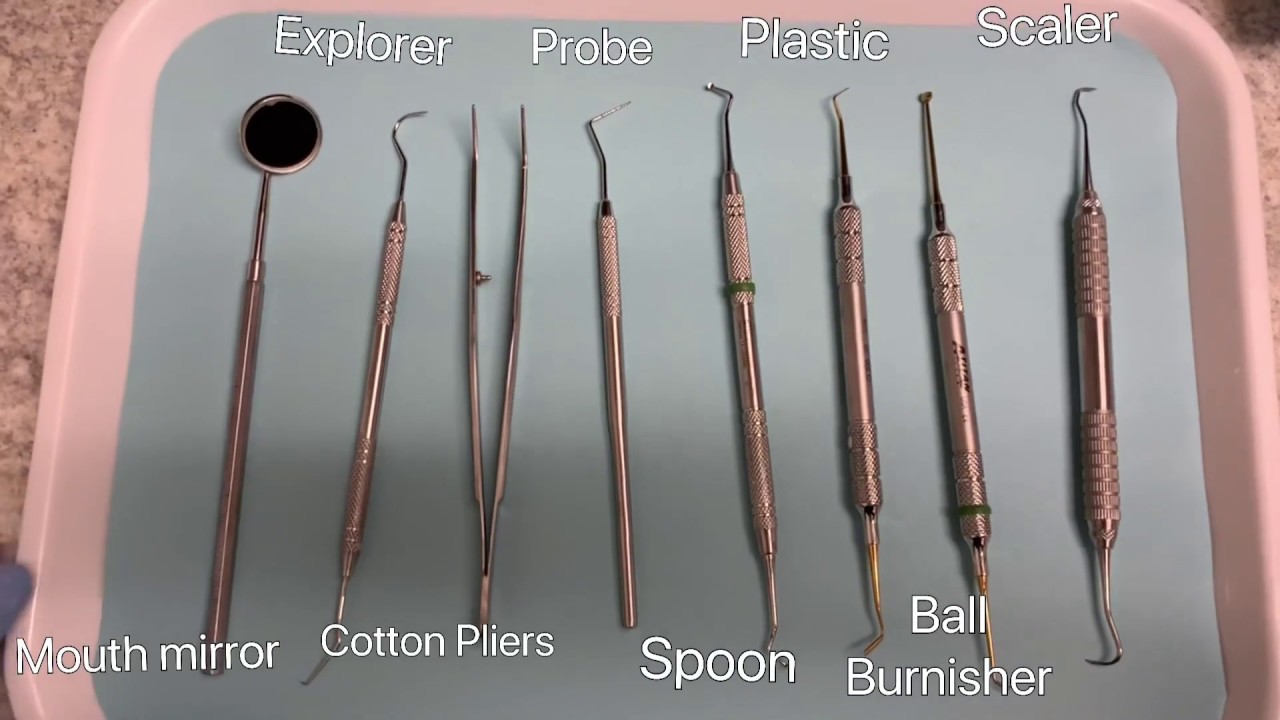
A dental office is equipped with an array of specialized tools and equipment designed to facilitate various dental procedures and ensure patient comfort. Each piece of equipment serves a specific purpose, contributing to the efficient and effective delivery of dental care.
Proper maintenance and sterilization of dental equipment are crucial for infection control and patient safety. Regular cleaning, disinfection, and sterilization protocols must be strictly followed to prevent the spread of harmful microorganisms.
Dental Chair
The dental chair is the centerpiece of the dental office, providing a comfortable and adjustable seating position for both the patient and the dentist. It features:
- Adjustable backrest and leg rest for patient comfort
- Built-in armrests for support and stability
- Headrest for proper positioning during procedures
- Foot controls for the dentist to adjust the chair’s position
Dental Light
The dental light provides optimal illumination of the oral cavity, allowing the dentist to clearly visualize the treatment area. It features:
- Adjustable intensity and focus for precise illumination
- Heat filters to prevent patient discomfort
- Swivel arm for easy positioning
Dental Unit
The dental unit is a comprehensive system that integrates various tools and instruments used during dental procedures. It typically includes:
- High-speed handpiece for drilling and shaping teeth
- Low-speed handpiece for polishing and scaling
- Suction system to remove saliva and debris from the treatment area
- Water syringe for rinsing and cleaning
- Air syringe for drying the treatment area
X-ray Machine
The X-ray machine is essential for diagnosing dental problems and planning treatment. It produces images of the teeth and jaw, revealing hidden decay, bone loss, and other abnormalities.
Sterilization Equipment
Sterilization equipment, such as autoclaves and ultrasonic cleaners, is vital for ensuring the sterility of dental instruments and equipment. It uses heat, pressure, and chemical agents to eliminate harmful microorganisms.
Other Essential Equipment, Dental tools and names
- Dental loupes for magnification and improved visibility
- Dental dam for isolating the treatment area and preventing contamination
- Intraoral camera for capturing images of the oral cavity
- Digital scanner for creating precise dental impressions
- Dental laser for minimally invasive procedures
Dental Materials

Dental materials are crucial components used in various dental procedures to restore, repair, or enhance the functionality and aesthetics of teeth. These materials possess distinct properties, applications, and advantages, catering to specific dental needs.
The selection of appropriate dental materials is a critical aspect of dental practice. Dentists consider factors such as the type of dental procedure, the location and extent of the restoration, the patient’s individual needs and preferences, and the cost-effectiveness of the material.
Types of Dental Materials
The following table summarizes different types of dental materials, their properties, uses, and advantages:
| Material | Properties | Uses | Advantages |
|---|---|---|---|
| Amalgam | Durable, strong, affordable | Restoring decayed teeth | Cost-effective, long-lasting |
| Composite Resin | Tooth-colored, versatile | Restoring decayed teeth, repairing chipped or cracked teeth | Aesthetically pleasing, conservative tooth preparation |
| Glass Ionomer Cement | Biocompatible, fluoride-releasing | Restoring decayed teeth, repairing root surfaces | Adheres to tooth structure, releases fluoride for caries prevention |
| Porcelain | Strong, durable, aesthetic | Crowns, veneers, bridges | Natural appearance, resists staining |
| Zirconia | Biocompatible, strong, aesthetic | Crowns, bridges, implants | Highly durable, resists wear and tear |
Dental Procedures: Dental Tools And Names

Dental procedures encompass a wide range of treatments aimed at maintaining oral health and addressing dental issues. These procedures vary in complexity, from routine check-ups to more specialized interventions like root canals and dental implants.
The choice of dental procedure depends on the specific condition being treated, the patient’s overall health, and their preferences. Each procedure involves unique steps, techniques, and potential risks, which should be carefully considered before making a decision.
Working with dental tools requires a comfortable and efficient setup. Just like how the tool bench height impacts a carpenter’s productivity, the height and positioning of your dental tools can greatly influence your precision and comfort. Proper ergonomics in your workspace is crucial for maintaining a healthy posture and minimizing strain, ensuring you can effectively perform dental procedures and provide optimal care to your patients.
Fillings
Fillings are a common dental procedure used to repair decayed or damaged teeth. The process involves removing the decayed portion of the tooth and filling the resulting cavity with a suitable material, such as amalgam, composite resin, or glass ionomer cement.
Fillings restore the tooth’s structure, prevent further decay, and improve its appearance. The procedure typically requires one or more visits to the dentist, depending on the extent of the decay and the type of filling material used.
Crowns
Crowns are dental restorations that cover the entire visible portion of a tooth. They are often used to strengthen a weakened tooth, improve its appearance, or replace a large filling. Crowns can be made from various materials, including porcelain, metal, or a combination of both.
The dental field has an array of tools with interesting names, like the Wig Scimitar Drum, which resembles the wig scimitar drum used in Ancient Greece. This unique dental tool, along with many others, serves specific purposes in maintaining oral health.
The process of getting a crown usually involves two visits to the dentist. During the first visit, the dentist prepares the tooth by removing a small amount of enamel and taking an impression of the tooth. The impression is sent to a dental laboratory, where the crown is custom-made to fit the tooth precisely.
At the second visit, the dentist cements the crown onto the prepared tooth. Crowns can last for many years with proper care, but they may need to be replaced if they become damaged or loose.
Root Canals
Root canals are dental procedures that treat infections or inflammation of the pulp, the soft tissue inside the tooth that contains nerves and blood vessels. The infection or inflammation can be caused by deep decay, trauma, or a cracked tooth.
Root canal treatment involves removing the infected or inflamed pulp, cleaning and shaping the root canals, and filling them with a biocompatible material. The procedure is typically performed over multiple visits and requires local anesthesia to numb the area around the tooth.
Root canals can save teeth that would otherwise need to be extracted. However, the procedure can be time-consuming and expensive, and there is a risk of complications, such as pain, swelling, or infection.
Dental Specialties
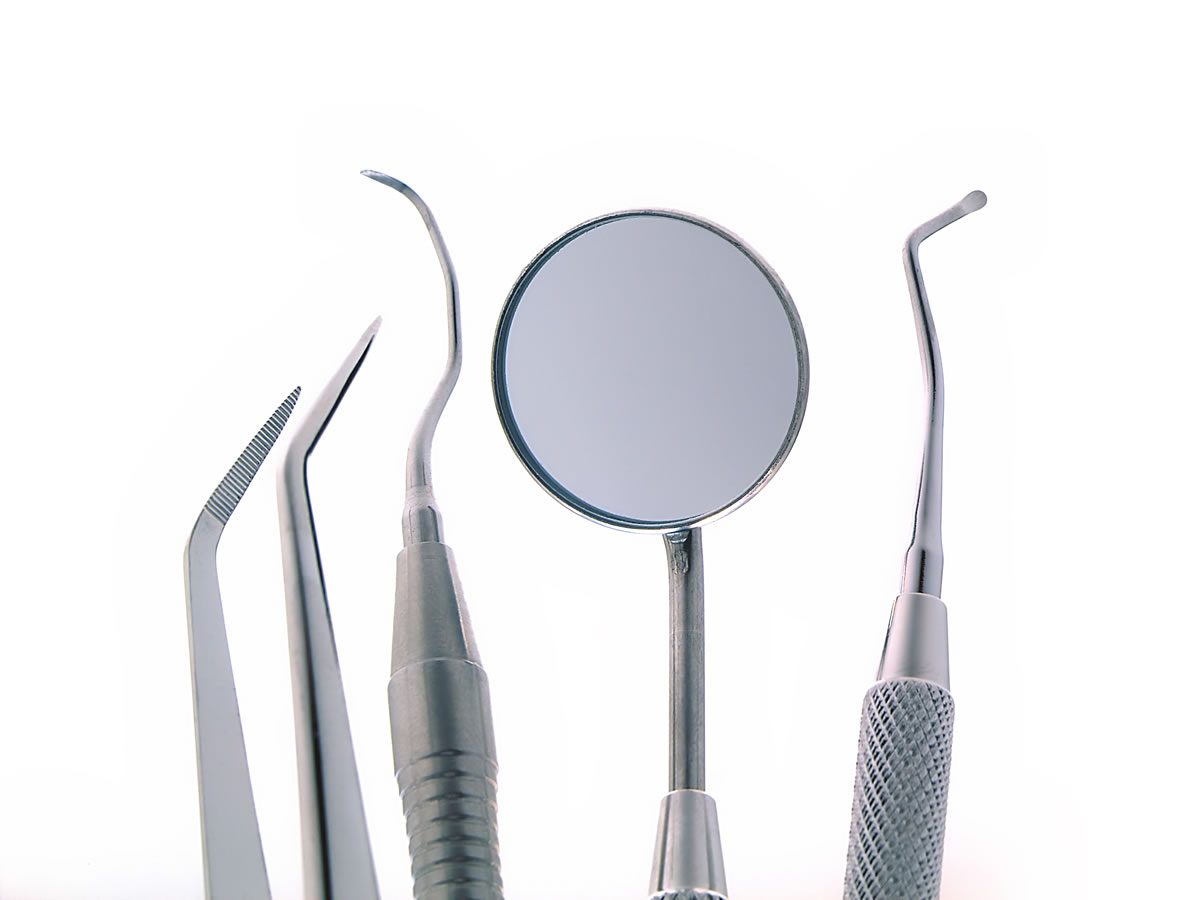
The field of dentistry encompasses a wide range of specialties, each focusing on specific aspects of oral health and treatment. These specialties allow dentists to develop advanced expertise in particular areas, ensuring optimal care for patients with specialized needs.
Here are some of the most common dental specialties and their areas of expertise:
Orthodontics
Orthodontics is the branch of dentistry that focuses on the diagnosis, prevention, and correction of misaligned teeth and jaws. Orthodontists use a variety of appliances, such as braces and aligners, to gradually move teeth into their proper positions, improving both the function and aesthetics of the smile.
Periodontics
Periodontics is the specialty that deals with the prevention, diagnosis, and treatment of gum disease and other conditions affecting the supporting structures of the teeth. Periodontists have expertise in treating gum infections, bone loss, and other periodontal issues that can lead to tooth loss.
Endodontics
Endodontics is the branch of dentistry that focuses on the diagnosis and treatment of diseases of the dental pulp, the soft tissue inside the tooth. Endodontists perform root canal treatments, which involve removing infected or damaged pulp and sealing the tooth to prevent further infection.
Expert Answers
What are the different types of dental tools?
Dental tools are categorized by their functions, including diagnostic tools (e.g., explorers, mirrors), restorative tools (e.g., scalers, curettes), and surgical tools (e.g., elevators, forceps).
What is the most common dental tool?
The explorer is the most commonly used dental tool for examining teeth and detecting cavities.
What are the different types of dental materials?
Dental materials include restorative materials (e.g., fillings, crowns), preventive materials (e.g., sealants, fluoride), and orthodontic materials (e.g., braces, retainers).
What is the most common dental procedure?
The most common dental procedure is a dental filling, used to repair decayed or damaged teeth.
