Capacity assessment tools are essential instruments for evaluating an individual’s cognitive and functional abilities. These tools help professionals make informed decisions about an individual’s capacity to make decisions, manage their finances, or live independently.
In this comprehensive guide, we will delve into the world of capacity assessment tools, exploring their types, applications, ethical considerations, and future directions.
Definition and Overview
A capacity assessment tool is an instrument designed to measure and evaluate an individual’s ability to make decisions and manage their own affairs.
These tools provide a structured and standardized way to assess cognitive abilities, such as memory, attention, and reasoning, as well as functional abilities, such as the ability to manage finances or make medical decisions.
Types of Capacity Assessment Tools
- Clinical Interviews:In-depth interviews conducted by a healthcare professional to assess cognitive and functional abilities.
- Standardized Tests:Psychometric tests that measure specific cognitive domains, such as the Mini-Mental State Examination (MMSE).
- Functional Assessments:Observations of an individual’s ability to perform everyday tasks, such as managing finances or making medical appointments.
Purpose and Benefits
Capacity assessment tools are used to determine an individual’s decision-making capacity in various legal and medical contexts, such as:
- Guardianship and Conservatorship:Determining whether an individual needs a legal guardian or conservator to manage their affairs.
- Medical Decision-Making:Assessing an individual’s ability to consent to medical treatment or participate in research studies.
- Financial Management:Evaluating an individual’s ability to handle their finances and make financial decisions.
Using capacity assessment tools helps ensure that individuals’ rights are protected and that decisions made on their behalf are in their best interests.
Types of Capacity Assessment Tools
Capacity assessment tools are used to evaluate an individual’s ability to make decisions and manage their own affairs. There are various types of capacity assessment tools available, each with its own strengths and limitations.
The type of tool used will depend on the specific needs of the individual being assessed and the purpose of the assessment.
Standardized Capacity Assessment Tools
Standardized capacity assessment tools are designed to be used by professionals, such as psychologists or social workers, to assess an individual’s capacity in a structured and objective manner. These tools typically involve a series of questions or tasks that the individual must complete.
- Strengths:Standardized capacity assessment tools are reliable and valid, and they can provide a comprehensive assessment of an individual’s capacity.
- Limitations:Standardized capacity assessment tools can be time-consuming and expensive to administer, and they may not be appropriate for all individuals.
Clinical Capacity Assessment Tools
Clinical capacity assessment tools are used by clinicians, such as physicians or nurses, to assess an individual’s capacity in a more informal and flexible manner. These tools typically involve a conversation between the clinician and the individual being assessed.
In order to accurately gauge the capacity of your equipment, it’s essential to utilize a reliable capacity assessment tool. For this purpose, consider exploring the offerings of ohio supply & tool , a reputable provider of high-quality industrial equipment. Their comprehensive range of capacity assessment tools will empower you to make informed decisions and ensure optimal performance.
- Strengths:Clinical capacity assessment tools are less time-consuming and expensive than standardized tools, and they can be tailored to the specific needs of the individual being assessed.
- Limitations:Clinical capacity assessment tools are less reliable and valid than standardized tools, and they may be more subjective.
Functional Capacity Assessment Tools
Functional capacity assessment tools are used to assess an individual’s ability to perform specific tasks, such as managing their finances or making medical decisions. These tools typically involve observing the individual performing the tasks in question.
- Strengths:Functional capacity assessment tools can provide a more realistic assessment of an individual’s capacity than standardized or clinical tools.
- Limitations:Functional capacity assessment tools can be time-consuming and expensive to administer, and they may not be appropriate for all individuals.
The following table summarizes the key features of different types of capacity assessment tools:
| Type of Tool| Strengths| Limitations||—|—|—|| Standardized Capacity Assessment Tools | Reliable and valid | Time-consuming and expensive to administer || Clinical Capacity Assessment Tools | Less time-consuming and expensive than standardized tools | Less reliable and valid than standardized tools || Functional Capacity Assessment Tools | Provides a more realistic assessment of an individual’s capacity | Time-consuming and expensive to administer |
3. Methods and Procedures

Capacity assessment tools are valuable instruments for evaluating an individual’s abilities and limitations. Understanding the methods and procedures involved in using these tools is crucial for accurate and reliable assessments.
Steps in Conducting a Capacity Assessment
- Establish the Purpose:Clearly define the specific goals and objectives of the assessment.
- Gather Information:Collect relevant data from various sources, such as medical records, interviews, and observations.
- Select the Appropriate Tool:Choose a tool that aligns with the assessment purpose, the individual’s needs, and the available resources.
- Administer the Tool:Follow the instructions and protocols Artikeld in the tool’s manual carefully.
- Interpret the Results:Analyze the data collected and draw meaningful conclusions based on the tool’s scoring system.
- Document the Findings:Prepare a comprehensive report that summarizes the assessment process, results, and recommendations.
Best Practices for Using Capacity Assessment Tools
- Use a standardized and validated tool.
- Ensure the assessor is qualified and experienced.
- Consider the individual’s cultural background and communication needs.
- Observe the individual in different settings to gain a comprehensive understanding.
- Respect the individual’s privacy and autonomy.
Applications of Capacity Assessment Tools
Capacity assessment tools find diverse applications in various settings, enabling informed decision-making and optimal resource allocation. These tools provide valuable insights into an individual’s capabilities and limitations, guiding interventions and support plans.
In healthcare, capacity assessment tools aid in determining a patient’s ability to make informed medical decisions, manage their finances, or reside independently. This information is crucial for developing appropriate treatment plans and ensuring patient autonomy and well-being.
A capacity assessment tool is a must-have for evaluating the capabilities of your existing system. If you’re planning to migrate to a new database, you’ll need a tool that can assess the performance and capacity of your current system. A sql migration tool can help you with this task.
It can provide you with detailed insights into the performance of your database, and help you identify any potential bottlenecks. This information can be invaluable when planning your migration to a new system, and can help you ensure that your new system is able to meet your needs.
Legal Proceedings
In legal contexts, capacity assessment tools assist in evaluating an individual’s competence to stand trial, manage their legal affairs, or make decisions regarding their property. Accurate assessments ensure fair and just legal proceedings, protecting the rights and interests of individuals.
Educational Settings
Within educational environments, capacity assessment tools help identify students with learning disabilities or developmental delays. By understanding their specific needs and strengths, educators can tailor individualized learning plans to maximize academic outcomes and support their overall development.
Workplace Accommodations
In the workplace, capacity assessment tools facilitate the identification of employees with disabilities and the provision of reasonable accommodations. These accommodations ensure equal access to employment opportunities and create inclusive work environments.
Social Services
Social service agencies utilize capacity assessment tools to assess individuals’ abilities to manage their daily living activities, such as cooking, cleaning, and personal care. This information informs the development of support services tailored to their specific needs, promoting independence and well-being.
Ethical Considerations
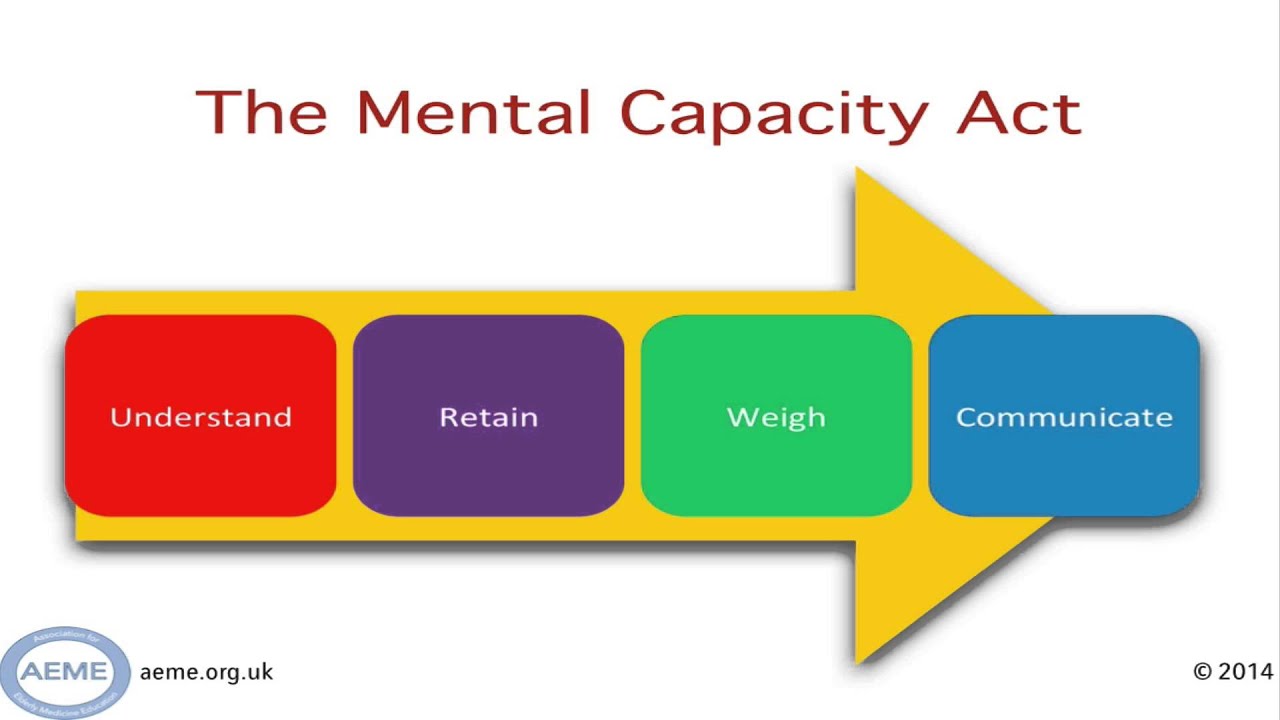
Ethical considerations are paramount when using capacity assessment tools. These tools involve assessing an individual’s cognitive abilities, which can impact their rights and autonomy. Therefore, it is crucial to ensure that these tools are used responsibly and ethically.
Informed Consent
Informed consent is essential before conducting any capacity assessment. The individual being assessed must fully understand the purpose of the assessment, the procedures involved, and their rights throughout the process. They should be provided with clear and accessible information about the assessment and its potential implications.
Only after obtaining their informed consent can the assessment proceed.
Confidentiality
Confidentiality is another key ethical consideration. The information obtained from capacity assessments should be kept strictly confidential. It should only be shared with authorized individuals who have a legitimate need to know. The privacy of the individual being assessed must be respected and protected.
Potential Biases and Limitations
Capacity assessment tools are not immune to potential biases and limitations. Cultural, linguistic, and socioeconomic factors can influence the results of these assessments. It is important to be aware of these biases and to use tools that are appropriate for the individual being assessed.
Additionally, the results of capacity assessments should not be taken as absolute. They should be interpreted cautiously and in conjunction with other relevant information.
Future Directions: Capacity Assessment Tool

The field of capacity assessment is constantly evolving, with new technologies and innovations emerging all the time. These advancements have the potential to significantly impact the way that we assess capacity, making it more accurate, efficient, and effective.
One of the most promising areas of research is the development of new assessment tools that use artificial intelligence (AI). AI-powered tools have the potential to automate many of the tasks that are currently performed by human assessors, freeing up time for them to focus on more complex cases.
AI tools can also be used to analyze data in new ways, identifying patterns and trends that would be difficult to detect manually.
Another area of research is the development of new assessment methods that are more sensitive to the needs of specific populations. For example, researchers are developing new tools to assess capacity in individuals with dementia, intellectual disabilities, and mental illness.
Finally, there is a need for further research to improve the accuracy and effectiveness of capacity assessment tools. This research should focus on developing new methods for validating assessment tools, as well as on identifying the factors that can affect the accuracy of assessments.
Emerging Technologies and Innovations
- Artificial intelligence (AI):AI-powered tools can automate many of the tasks that are currently performed by human assessors, freeing up time for them to focus on more complex cases. AI tools can also be used to analyze data in new ways, identifying patterns and trends that would be difficult to detect manually.
- Virtual reality (VR):VR can be used to create realistic simulations of real-world situations, which can be used to assess an individual’s capacity to make decisions in a variety of settings.
- Neuroimaging:Neuroimaging techniques, such as fMRI and PET scans, can be used to assess brain activity and identify areas of the brain that are involved in decision-making.
Areas for Further Research
- Developing new assessment tools that are more sensitive to the needs of specific populations.For example, researchers are developing new tools to assess capacity in individuals with dementia, intellectual disabilities, and mental illness.
- Improving the accuracy and effectiveness of capacity assessment tools.This research should focus on developing new methods for validating assessment tools, as well as on identifying the factors that can affect the accuracy of assessments.
FAQ Explained
What is the purpose of a capacity assessment tool?
Capacity assessment tools are used to evaluate an individual’s cognitive and functional abilities to determine their capacity to make decisions, manage their finances, or live independently.
What are the different types of capacity assessment tools?
There are various types of capacity assessment tools, including standardized tests, semi-structured interviews, and observational assessments.
How do I choose the right capacity assessment tool?
The choice of capacity assessment tool depends on the individual’s specific needs and the purpose of the assessment.
